Salzburg Festival Venues Guide
Felsenreitschule, Großes Festspielhaus, Haus für Mozart, Domplatz and how venue location shapes your Festival night.
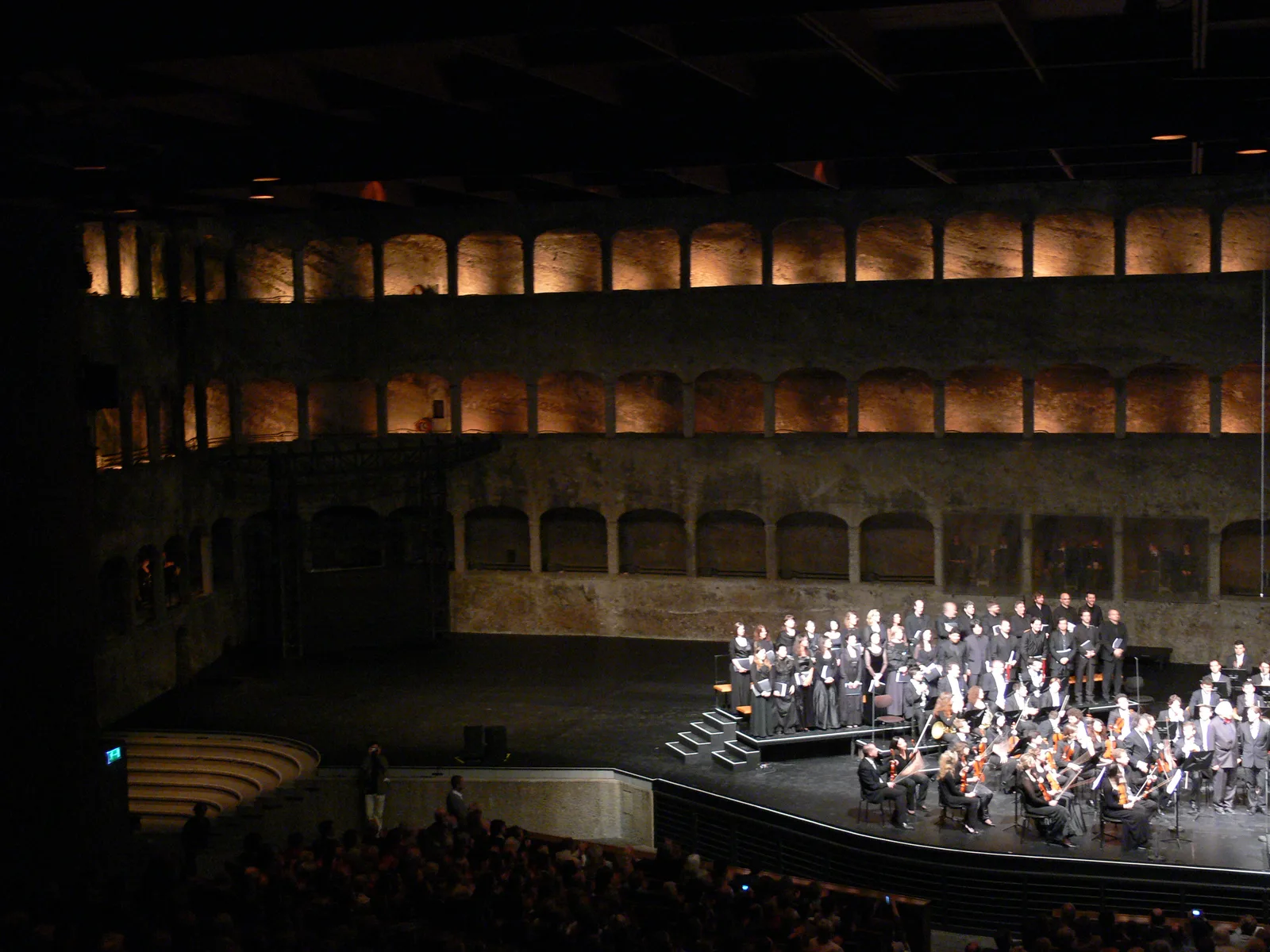
Photo: Andreas Praefcke / Wikimedia Commons · CC BY 3.0
- ✓The Salzburg Festival's main houses cluster along Hofstallgasse at the foot of the Mönchsberg, on the western edge of the Old Town.
- ✓The Felsenreitschule, with its arcades carved into the cliff, is the most atmospheric stage — and the one that inspired the festival concert in The Sound of Music.
- ✓The Großes Festspielhaus is the grand large house for opera and orchestral concerts; the Haus für Mozart is the smaller, more intimate opera house.
- ✓Jedermann, the festival's signature play, is performed open-air on Domplatz, the cathedral square in the heart of the Old Town.
- ✓Which venue you are in shapes the night — scale, atmosphere and the walk home — so it pays to know the houses before you book.
Four stages, one festival quarter
The Salzburg Festival is famous for its programme, but part of its magic is architectural: a cluster of remarkable venues, several of them carved into or built against the Mönchsberg cliff on the western edge of the Old Town. Most of the indoor houses sit along Hofstallgasse, in and around the former court stables of the prince-archbishops — the reason the whole complex is still called the Festspielhäuser, the festival houses. Add the open-air drama on Domplatz, and you have a festival quarter you can walk across in minutes but that contains wildly different theatrical experiences.
Knowing the venues is genuinely useful before you book. The same evening of opera feels very different in the vast Großes Festspielhaus than in the intimate Haus für Mozart, and an open-air Jedermann on the cathedral square is a different proposition again — thrilling in fine weather, weather-dependent always. This guide walks through the main stages, what each is like and how location shapes your night, so a ticket means something to you beyond a seat number. As ever with the Festival, confirm the current programme, the exact venue for your performance and prices on the official Festival site.

At a glance
The points below are durable. The exact venue, programme and prices for any given performance change yearly, so verify on the official Salzburg Festival website before booking.
- Main indoor houses cluster on Hofstallgasse, at the foot of the Mönchsberg on the Old Town's western edge.
- Felsenreitschule: the former riding school with cliff-cut arcades — atmospheric, mid-to-large, used for opera and concerts.
- Großes Festspielhaus: the large grand house for major opera and orchestral programmes.
- Haus für Mozart: the smaller, more intimate opera house, well suited to Mozart and chamber-scale opera.
- Domplatz: the open-air cathedral square stage for Jedermann, the festival's signature play.
- Walking distances between the indoor houses are short; Domplatz is a few minutes east in the Old Town core.
- Dress skews dressier than year-round concerts, especially for opera premieres.
The Felsenreitschule
The Felsenreitschule — the 'rock riding school' — is the festival's most extraordinary space. It was hewn from the Mönchsberg in the seventeenth century as a summer riding school for the prince-archbishop's court, its tiers of arcades cut straight into the living rock. Today those arcades form an unforgettable backdrop, and the hall has hosted landmark opera and concert productions throughout the Festival's history. Sound of Music fans will recognise it too: it is the venue that inspired the film's festival concert, where the von Trapps perform before their escape.
Choose a performance here for atmosphere above all — there is nowhere else quite like it, and the marriage of music and rock-cut architecture lends even a familiar work a sense of occasion. It is a sizeable house used for major productions, so it combines scale with drama. If a performance you want is staged in the Felsenreitschule, the venue alone is a reason to go.
Großes Festspielhaus and Haus für Mozart
The Großes Festspielhaus, opened in 1960, is the Festival's grand large house — a wide-stage opera and concert hall built against the Mönchsberg, capable of the most ambitious stagings and the great symphonic programmes. An evening here is opera and orchestral music at full scale, with the world's leading singers, conductors and orchestras. If you want the big, glamorous Festival night, this is its home; the trade-off for the grandeur is a larger room, so consider seat location when you book.
Next door, the Haus für Mozart is the smaller, more intimate opera house, reconfigured and reopened in 2006 from the older 'small' festival hall. Its scale suits Mozart and chamber-scale opera particularly well, bringing you closer to the singers and the detail of the music. The choice between the two houses is partly the choice between spectacle and intimacy — and since both sit on the same short stretch of Hofstallgasse, the walk in and out is identical. Pick by the production and the experience you want, not by convenience.
Domplatz and the open-air Jedermann
The Festival's most public moment happens outdoors. Jedermann (Everyman), the morality play that has opened the Salzburg Festival since its founding in 1920, is performed open-air on Domplatz, the cathedral square in the very heart of the Old Town, with the Dom's façade as its set. Seeing it there, in the open air with the cathedral behind the stage and the fortress above, is one of the great Salzburg experiences — and an unmistakably different proposition from an evening in a sealed opera house.
The flip side of the open-air setting is the weather: performances can be moved indoors when conditions demand, so check the arrangements for your date. The play is in German, which is worth knowing if you are not a German speaker — though the spectacle and the setting carry much of the experience. Domplatz sits a few minutes' walk east of the main Festspielhäuser, in the ceremonial core of the left bank, so it is easy to reach from anywhere in the Old Town.

How venue location shapes your night
Because the houses cluster so tightly, the practical differences are less about distance than about scale, atmosphere and the rhythm of the evening. A grand opera in the Großes Festspielhaus is a full, dressy night out; an intimate Mozart opera in the Haus für Mozart is more contained; a Felsenreitschule performance trades on its singular setting; and an open-air Jedermann on Domplatz is an event in its own right, weather permitting. Knowing which house you are in helps you set expectations, plan dress and time dinner around the performance.
Location also matters for where you stay. The festival quarter sits on the western edge of the Old Town, so a base in or near the Altstadt puts you within an easy walk of every venue and lets you stroll home through floodlit squares after the curtain — part of the pleasure of a Festival trip. Book hotels early, as the city fills for the season, and weigh walking distance to the houses when you choose. Whatever you book, confirm your performance's venue, time and price on the official Festival site, since these are set fresh each year.
Questions visitors ask
Where are the Salzburg Festival venues? The main indoor houses — the Großes Festspielhaus, the Haus für Mozart and the Felsenreitschule — cluster along Hofstallgasse at the foot of the Mönchsberg on the western edge of the Old Town; Jedermann is performed open-air on Domplatz nearby. Which is the most atmospheric? The Felsenreitschule, with its cliff-cut arcades, is the most striking — and inspired the festival concert in The Sound of Music.
Is Jedermann really outdoors? Yes, on Domplatz, weather permitting, with an indoor fallback when conditions require; it is performed in German. What is the difference between the two opera houses? The Großes Festspielhaus is the large grand house for big stagings; the Haus für Mozart is smaller and more intimate. Are the venues far apart? No — the indoor houses are a short walk from one another, with Domplatz a few minutes east. Always confirm your performance's venue on the official Festival site.
Related guides

Salzburg Festival Guide
The complete first-timer's guide to the Salzburg Festival — when it runs, the venues, how tickets work, what to wear, dinner timing, the free screens and a strategy for getting the most from a Festival trip.
Read guide
Salzburg Festival Hotels
Where to stay for the Salzburg Festival — venue walking distance, intermission and late-dinner timing, luxury and budget picks, and the booking windows that decide whether you get a room at all.
Read guide
Fine Dining in Salzburg
Tasting menus, hotel dining rooms and special-occasion tables in Salzburg — how the scene works, what to book and when to reserve around the Festival.
Read guideMore in Mozart & Music
6
Best Mozart Concerts in Salzburg
Compare fortress concerts, Mirabell concerts, dinner concerts, church music and Festival options to find the right Mozart evening.
Read guide
Mozart Dinner Concert Guide
Who should book a Mozart dinner concert in Salzburg, what to expect, dress, menu caveats and the alternatives worth weighing.
Read guide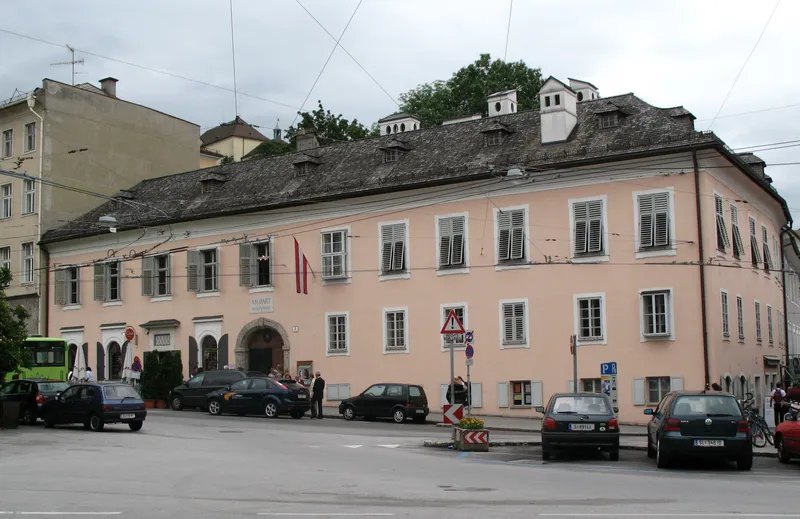
Mozart Residence Guide
Visit Mozart's later family home on Makartplatz — the rooms, exhibits, tickets, accessibility and how it compares with the Birthplace.
Read guide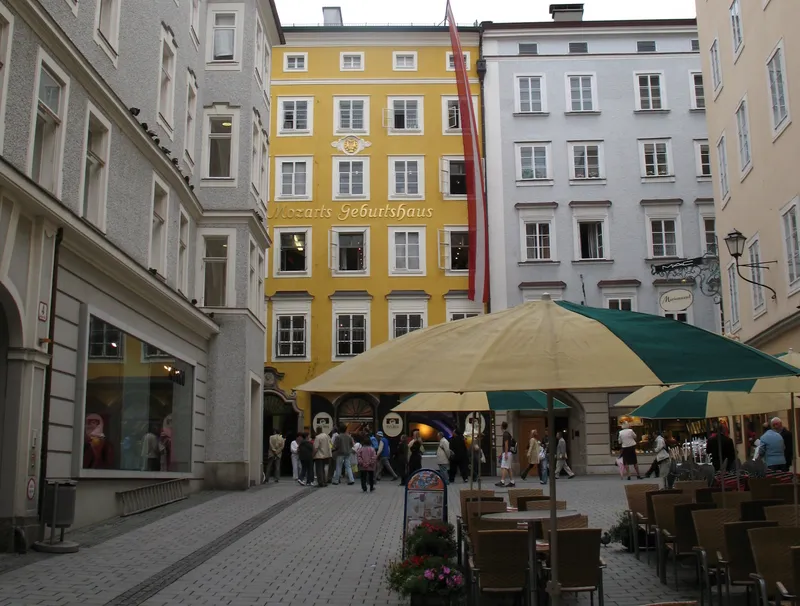
Mozart's Birthplace Guide
Tickets, rooms, exhibits, accessibility limits, Getreidegasse context and who should plan a visit to the house where Mozart was born.
Read guide
Salzburg Concerts Guide
Mozart dinners, fortress concerts, Mirabell concerts, cathedral music, Festival options and how to choose the right night for you.
Read guide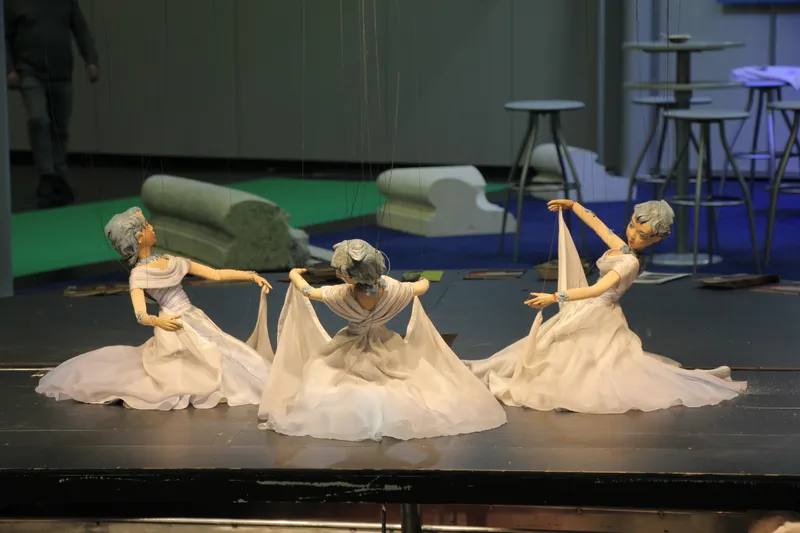
Salzburg Marionette Theater Guide
How to visit the historic Salzburg Marionette Theater — family fit, Mozart and Sound of Music productions, tickets and what to expect.
Read guide