

01
Left bank — the stage
Domplatz, Residenz, Festung by funicular, then down to St. Peter's and the oldest restaurant in Central Europe, St. Peter Stiftskulinarium.
Salzburg, Austria · 47.80°N 13.04°E · Baroque in B-flat
Where the old salt road climbed out of the lakes and met the Alps — a Baroque stage town under a fortress that was never taken, and a festival that owns the summer.

One of the largest fully preserved castles in Central Europe — begun 1077, besieged often, taken never. Ride the Festungsbahn up for the Reckturm view over the whole basin.
Read the guide
The medieval canyon of wrought-iron guild signs. No. 9 is the yellow house where Wolfgang Amadeus was born in 1756.
Read the guide
Baroque parterre, the Pegasus fountain and the steps where Maria sang “Do-Re-Mi” — framed perfectly on the fortress.
Read the guideThe Altstadt is small — most of it fits inside the loop of the Salzach. Build outward from the river, then take one day for the lakes.
Domplatz, Residenz, Festung by funicular, then down to St. Peter's and the oldest restaurant in Central Europe, St. Peter Stiftskulinarium.
Cross the Makartsteg love-lock bridge to Mirabell, the Mozart-Wohnhaus and a slow afternoon along Linzergasse.
Day-trip to Hallstatt and the lakes, or the salt mines at Hallein — the salt (Salz) that built the city in the first place.
The fortress, Mozart sights, Mirabell, the Baroque Old Town lanes, viewpoints and the squares everything radiates from.
 Best MuseumsChoose Salzburg museums by interest, weather, Mozart focus, family fit and Salzburg Card value.
 Best Photo SpotsFortress views, Mirabell, Old Town lanes, river bridges, Mönchsberg, blue hour and Christmas lights.
 Best Salzburg ToursWhen to book walking, Mozart, Sound of Music, food, fortress, bike and day-trip tours — and when to skip a…
Mozart's birthplace and residence, fortress and Mirabell concerts, the Festival, and the honest Sound of Music locations.
 Mozart ConcertsCompare fortress concerts, Mirabell concerts, dinner concerts, church music and Festival options to find th…
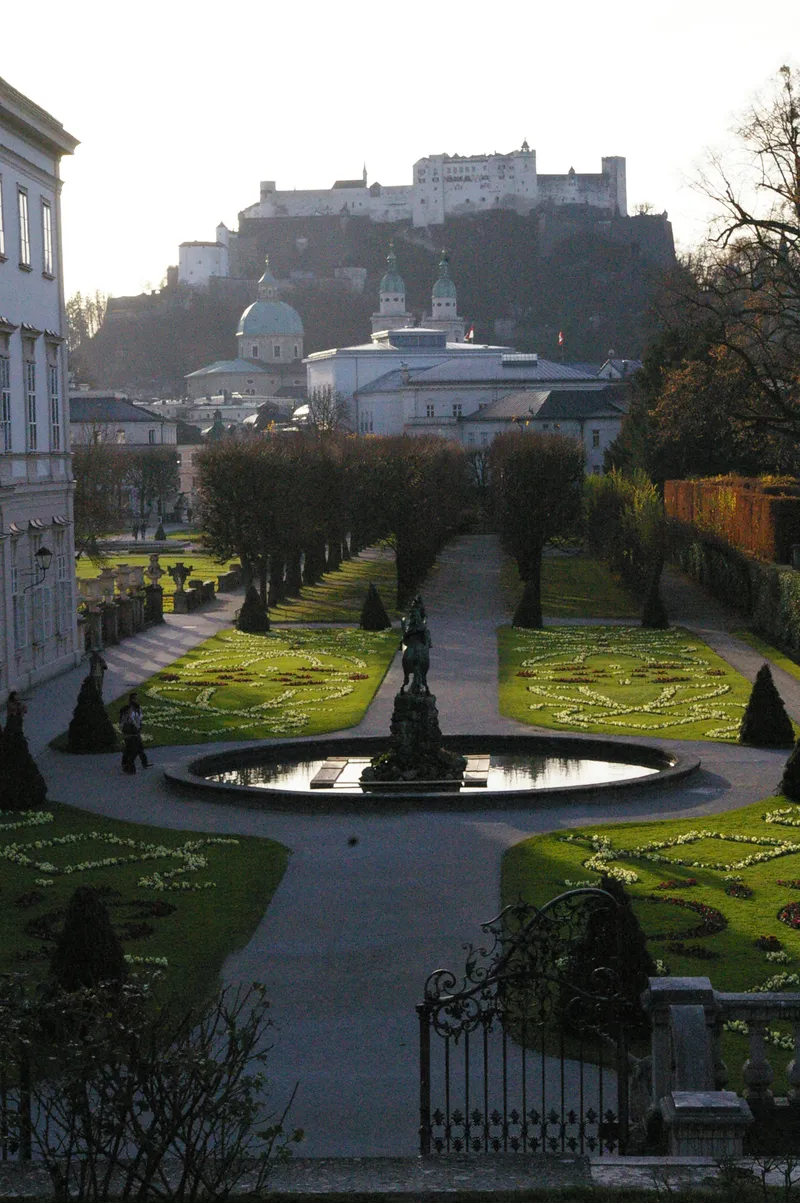 Best ToursAn honest comparison of the ways to see The Sound of Music in Salzburg — classic bus tours, bike tours, pri…
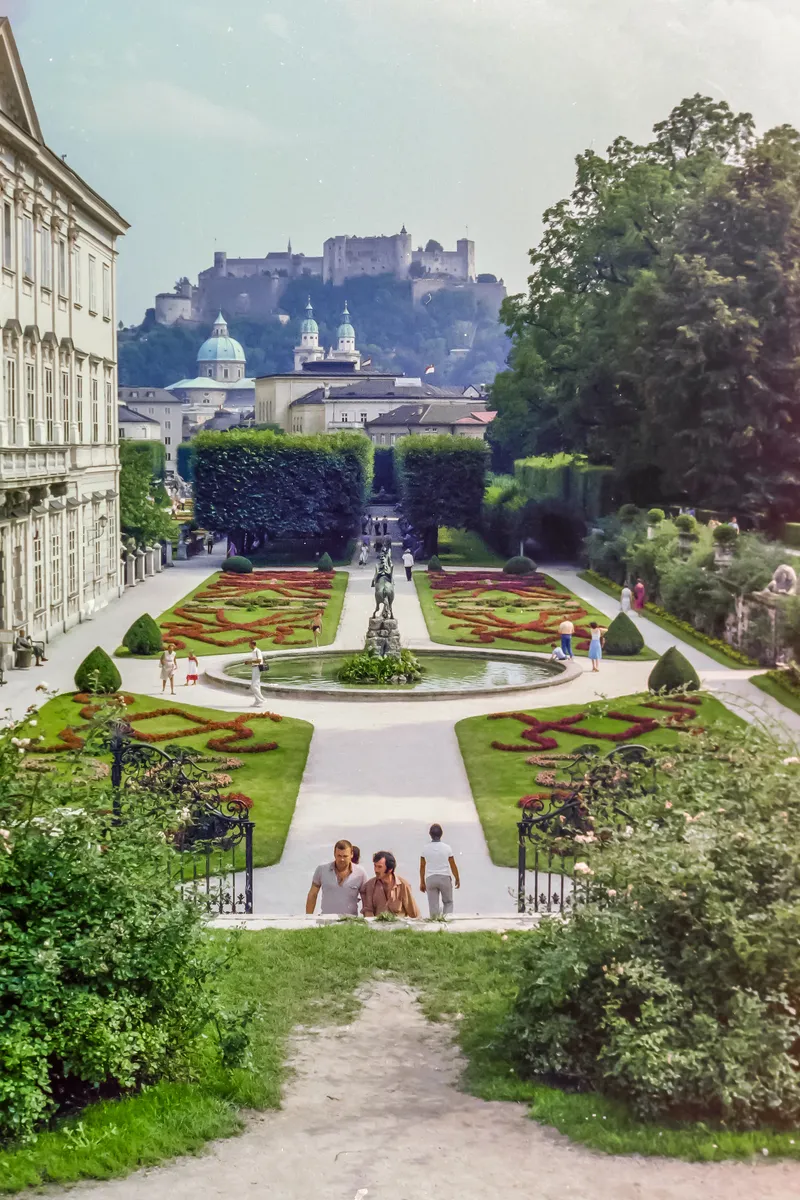 DIY TourA self-guided, step-by-step Sound of Music route through Salzburg — Mirabell, Residenzplatz, Nonnberg, the…
Which area to book — Old Town for atmosphere, Mirabell for polish, the station for value, and where to sleep in Festival season.
 Accessible HotelsHow to choose a Salzburg hotel for step-free access and easy routes — why the cobbled Old Town is the hard…
 Best Area First TimeA decisive first-timer's guide to choosing where to stay in Salzburg — comparing the Altstadt, the Neustadt…
 Best HotelsHow to choose the best hotel in Salzburg for your trip — curated by area, by romance, by Festival-season lo…
Salzburger Nockerl, classic coffeehouses, the original Mozartkugel, beer halls under chestnut trees and the city's best tables.
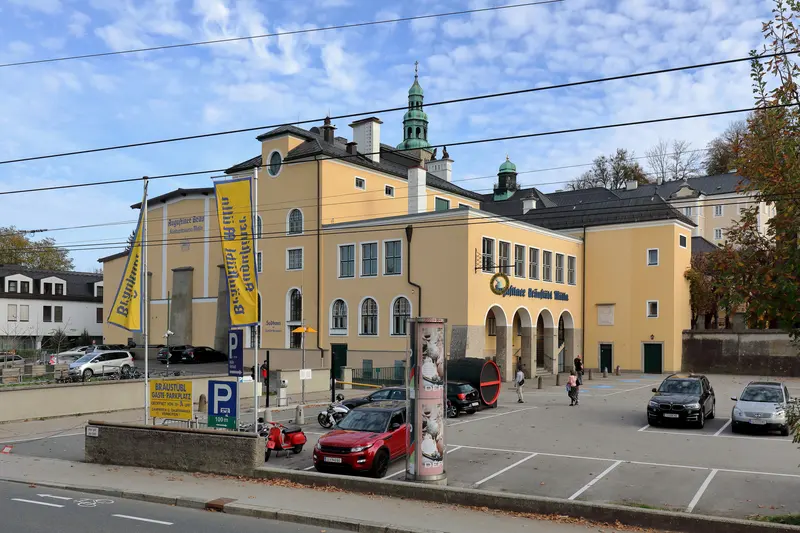 Augustiner BräustüblA full guide to Salzburg's great monastery beer hall — the barrel-poured beer, the stone mug ritual, the fo…
 Best BarsWhere to drink in Salzburg after dark — cocktail bars, wine bars, hotel lounges, beer halls, student nightl…
 Best Beer HallsA guide to Salzburg's beer halls and gardens — from the monastery barrels of the Augustiner to the Stiegl w…
Hallstatt and the Salzkammergut lakes, the Eagle's Nest, Berchtesgaden, Königssee, Untersberg and Werfen — easy escapes by train or tour.
 Bad IschlHow to plan a Bad Ischl day trip from Salzburg — the imperial spa town of the Habsburgs, the Kaiservilla, c…
 BerchtesgadenHow to plan a Berchtesgaden day trip from Salzburg — the alpine old town, the salt mine, the Königssee, the…
 Berchtesgaden Salt MineHow to visit the Berchtesgaden salt mine from Salzburg — getting there across the Bavarian border, the unde…
Ready-made plans — one compact day, a music weekend, a family trip, Festival nights or a slow Salzkammergut week.
 WeekendA Friday-to-Sunday plan for Salzburg with hotel-area logic, concert timing, the best viewpoints, where to e…
 Four DaysA slower four-day Salzburg plan that adds museums, quieter neighbourhoods, a Sound of Music morning and two…
 Luxury ItineraryA high-end three-day Salzburg plan built around grand hotels, private guides, fine dining, a chauffeured la…
Mirabell at dawn, river walks, candlelit Baroque dinners, fortress concerts and the viewpoints made for two.
 Sunset SpotsWhere to catch golden hour over Salzburg — the Mönchsberg ridge, Kapuzinerberg, the fortress edges, hotel t…
 Date NightHow to build a great evening for two in Salzburg — a sunset viewpoint, a concert or a candlelit dinner, coc…
 Proposal SpotsLow-stress, beautiful places to propose in Salzburg — Baroque gardens, the Mönchsberg at golden hour, hotel…
The Salzburg Festival, Mozart Week, Easter and Whitsun, the Christmas markets, Advent singing and the city's local fairs.
 Hellbrunn AdventA guide to the Hellbrunn Advent Market at Schloss Hellbrunn — its fairy-tale palace setting, family feature…
 Jazz & The CityHow to plan a trip around Jazz & The City — Salzburg's free autumn jazz festival that turns the whole Old T…
 JedermannThe full guide to Jedermann on Domplatz — what the play is, why it has anchored the Salzburg Festival since…
Salzburg means salt castle. For a thousand years the prince-archbishops grew immensely rich on “white gold” — salt cut from the Dürrnberg and floated down the Salzach. That wealth paid for the marble Dom, the Residenz, and the Italian Baroque skyline you walk through today.
High above it all, Hohensalzburg has loomed since 1077. In more than nine centuries it was besieged but, famously, never taken by force — its one surrender, in 1800, was a bloodless handover to Napoleon's troops.

Opera, drama and concerts across the Festspielhäuser; “Jedermann” played open-air on the cathedral square.

The city's biggest folk fair, honouring patron saint Rupert across the Altstadt's squares.

One of the oldest Advent markets in the world, on Domplatz and Residenzplatz under the fortress.