 Sound of Music & Music
Mozart in Salzburg
A practical guide to Mozart's Salzburg — the two family houses, the churches and squares, the concerts worth booking and the seasons that matter.
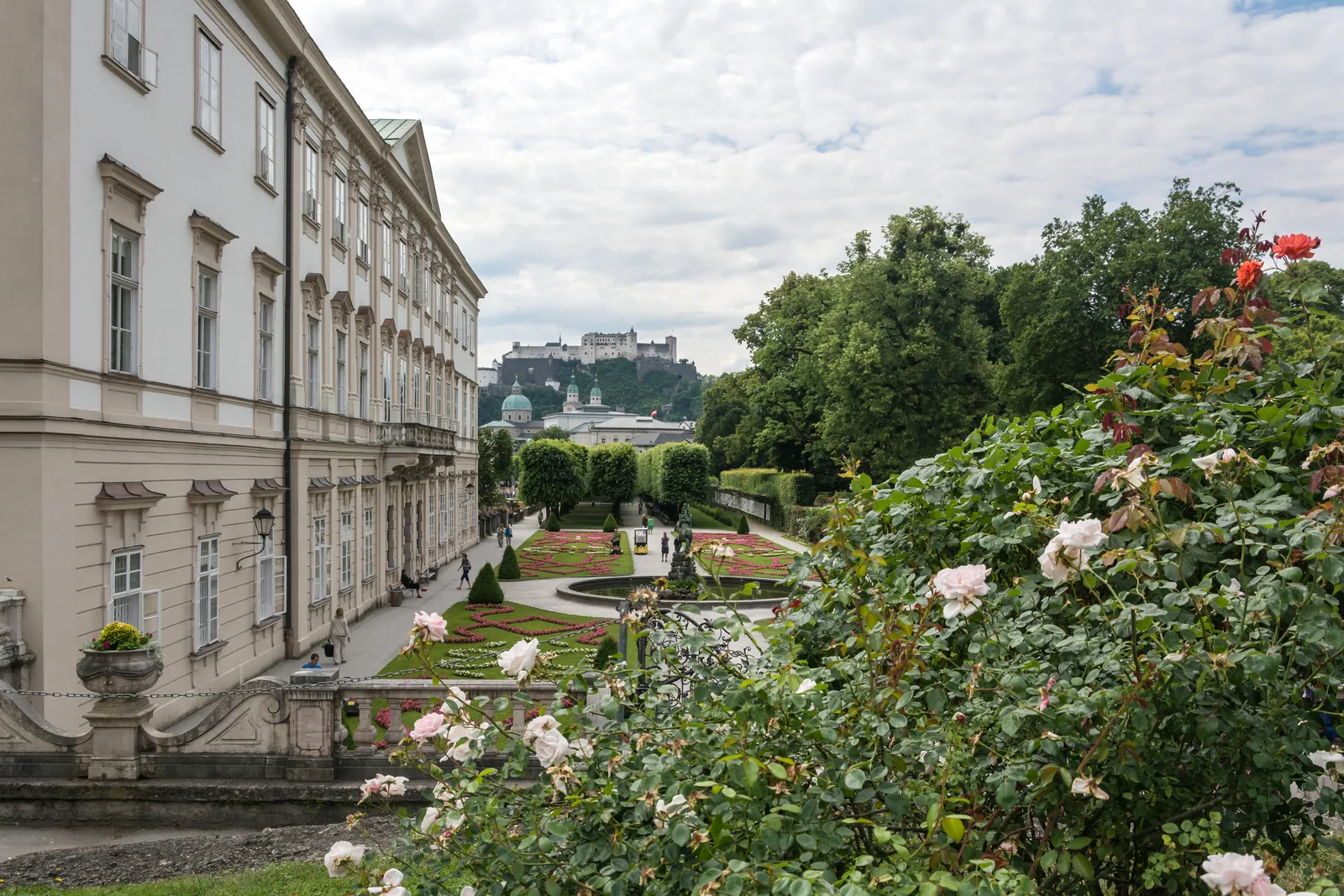
Photo: Isiwal / Wikimedia Commons · CC BY-SA 4.0
- ✓Salzburg is Mozart's birthplace and home for the first twenty-five years of his life — the city wears him on every corner, for better and worse.
- ✓The two museums tell two halves of one story: the Getreidegasse Birthplace (childhood) and the Makartplatz Residence (young adulthood).
- ✓Mozart's music lives on in fortress concerts, Mirabell concerts and dinner concerts — choose by setting as much as programme.
- ✓January's Mozart Week is the connoisseur's season; high summer belongs to the Salzburg Festival.
- ✓Skip the chocolate-ball clichés and you'll find a genuinely rich, walkable Mozart trail across both banks of the river.
A city that thinks in music
Wolfgang Amadeus Mozart was born in Salzburg on 27 January 1756 and lived here, on and off, until he was twenty-five — the longest he ever stayed anywhere. The city has never let him go. His face is on the chocolates, his name on the airport, his statue on a square named for him; the relationship is part genuine reverence and part industrial-scale souvenir. The good news is that beneath the marketing lies a real, rewarding Mozart trail: two authentic family houses, the churches where he worshipped and worked, the squares he crossed daily, and a living tradition of performing his music in the rooms and ramparts of his own city.
This guide is the heritage-and-context hub for Mozart in Salzburg. It sorts the genuine from the gimmick: where he was actually born and lived, where to hear his music well, and how to tell a serious concert from a tourist trap. Use the detailed pages below for tickets, times and accessibility; use this one to plan the shape of your Mozart day and decide what is worth your time.

The two houses
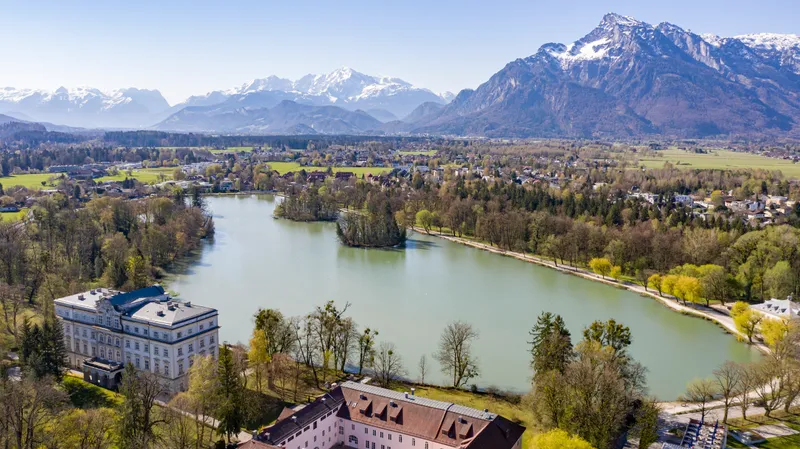
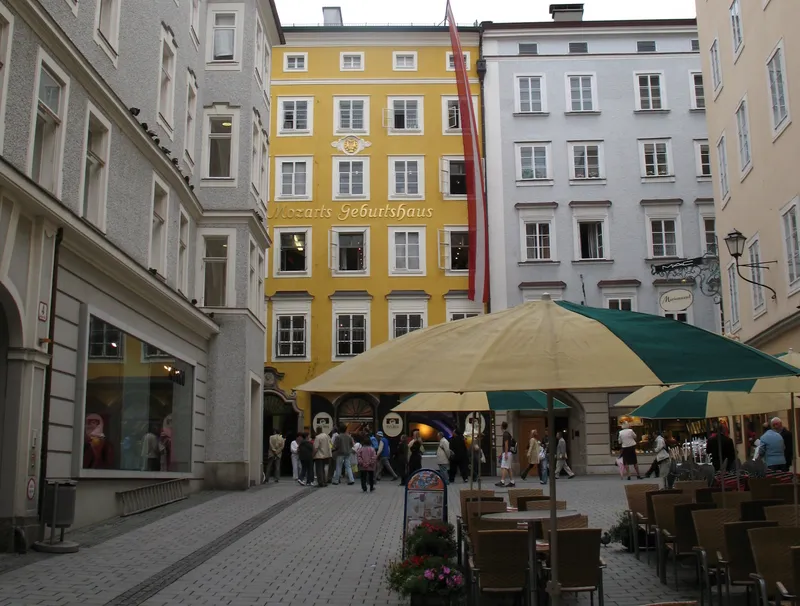
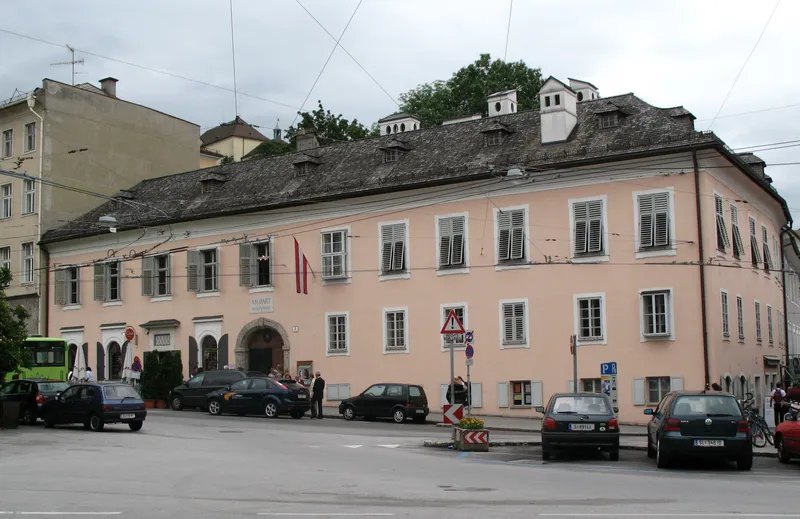
The backbone of any Mozart itinerary is the pair of family homes. Mozart's Birthplace at Getreidegasse 9 — the yellow Hagenauer Haus on the Old Town's most famous lane — is where he was born and spent his childhood; the Mozarts rented the third floor for some twenty-six years, and the house has been a museum since 1880. It is small, atmospheric and busy, with the childhood violin among its treasures. Across the river, the Mozart Residence on Makartplatz is the larger, lighter apartment the family moved to in 1773, and it holds the family fortepiano.
Visit both if you can — the combined ticket links them and the river walk between is part of the pleasure. If you must choose, the Birthplace delivers the iconic moment and the Residence the calmer, more accessible experience with the more important instrument. Both are run by the Internationale Stiftung Mozarteum, and the Salzburg Card commonly covers entry to each; check the current terms before buying separate tickets.
At a glance: planning a Mozart day
Everything below is evergreen; confirm seasonal hours, prices and concert programmes on official sites close to your trip.
- Two museums: Birthplace (Getreidegasse 9, left bank) and Residence (Makartplatz 8, right bank).
- Combined ticket links both houses; Salzburg Card commonly includes entry — verify.
- Free Mozart stops: Mozartplatz and its statue, the cathedral where he was baptised, St Peter's where the C minor Mass was first heard.
- Concerts: fortress concerts (Hohensalzburg), Mirabell concerts (Marble Hall), and dinner concerts — pick by setting.
- Peak Mozart seasons: Mozart Week (late January, around his birthday) and the Salzburg Festival (late July–August).
- Half a day covers both houses and the squares; a full day adds an evening concert.
- Avoid: assuming the cheapest 'Mozart concert' flyer is the best — compare ensemble, venue and programme first.
The churches and squares he knew
Mozart's Salzburg was not just two apartments. He was baptised the day after his birth in the Salzburg Cathedral, the great Baroque dom whose squares form the ceremonial heart of the left bank; he later served as court and cathedral organist here. A short walk away, the abbey church of St Peter's hosted the first performance of his unfinished Mass in C minor in 1783, with his wife Constanze reportedly singing a solo — making it one of the most musically significant rooms in the city. These places are free to enter and quietly more moving than any museum case.
Out on Mozartplatz stands the bronze Mozart statue, unveiled in 1842, the obvious meeting point and photo stop. From here you can string together the whole left-bank Mozart geography on foot in under an hour: the statue, the cathedral and its baptismal font, St Peter's, and the Birthplace two minutes up Getreidegasse. Add the Residence and Mirabell across the river and you have the full map of his Salzburg life.


Hearing Mozart well: choosing a concert
Salzburg offers Mozart's music nightly in several formats, and the trick is choosing by experience rather than price. Fortress concerts pair an ensemble with the medieval setting of Hohensalzburg, often with the option of a meal and the funicular ride up — atmospheric and a little touristy, but the view is unbeatable. Mirabell concerts take place in the palace's Marble Hall, an intimate Baroque room where Mozart himself is said to have performed, and are the connoisseur's choice for chamber music. Dinner concerts, such as those staged at St Peter's, blend a period menu with arias for a full evening out.
Beware the undifferentiated 'Mozart concert' leaflets thrust at you on the squares; quality varies widely. Look at who is playing, where, and what — a named ensemble in the Marble Hall or the fortress is a safer bet than an anonymous trio in a back room. For serious listening, the Mozarteum's own concert hall and the great Festival venues offer the city's finest performances. Book ahead in summer and at Mozart Week, when the best evenings sell out.

When to come: Mozart Week and the Festival
Two seasons stand out for Mozart pilgrims. Mozart Week (Mozartwoche) falls in late January around the composer's birthday, when the Mozarteum brings world-class orchestras, conductors and soloists to the city for an intense, high-quality programme devoted largely to his music — the connoisseur's window, and a quieter, colder, less crowded time to visit. At the other end of the year, the Salzburg Festival owns late July and August with opera, drama and concerts at the highest level; Mozart's operas are perennial fixtures, though the Festival ranges far beyond him.
Outside these peaks, Mozart is performed year-round in the fortress, Mirabell and dinner-concert circuit, so you are never short of an evening of his music. If you want the marquee performances, plan around Mozart Week or the Festival and book early; if you simply want a beautiful Mozart evening on any given night, the standing concert programme will oblige. Check the events hub for current dates rather than relying on memory.