Salzburg in March
Early spring in Salzburg — variable mountain weather, the Easter Festival in some years, quieter squares, lower hotel rates and indoor culture at its best.

Photo: Leonhard Lenz / Wikimedia Commons · CC0
- ✓March is the city's quietest threshold month: winter is loosening its grip but spring has not arrived, so squares are calm and hotels are among the cheapest of the year.
- ✓Weather is genuinely changeable — bright mild afternoons, late snow flurries and cold mornings can all land in a single week, so layers matter more than a forecast.
- ✓Some years the Salzburg Easter Festival (Osterfestspiele) falls in late March, bringing an elite opera-and-orchestra audience and a brief hotel spike around its dates.
- ✓It is a museum-and-concert month above all: the Mozart houses, the DomQuartier and warm coffeehouses come into their own when the weather turns.
- ✓Garden displays are still bare in early March, but Mirabell's structure and the fortress views are crisp and uncrowded.
A quiet threshold between winter and spring
March is the month Salzburg holds its breath. The Christmas markets are long gone, the Festival summer is months away, and the Alpine spring is still hesitating in the valleys around the city. What that leaves is a calm, low-season Salzburg: the Old Town squares are walkable at any hour, you can photograph Domplatz without a crowd, and the cafés that fill to bursting in July have tables free at lunchtime. For travellers who care more about atmosphere and value than about peak-season buzz, it is one of the best-kept secrets in the year.
The trade-off is the weather, which in March is honestly unpredictable. This is an Alpine city at the foot of the Untersberg, and the season turns slowly here. You might get a run of mild, bright afternoons that feel like the first true spring, then wake to a dusting of late snow on the fortress roofs. Pack for both: a warm layer, a waterproof shell and shoes that cope with cold cobbles will serve you far better than optimism about a forecast. Confirm seasonal opening hours for outdoor sights before you go, as some operate reduced winter timetables into early spring.
At a glance: March in Salzburg
The notes below are evergreen. Temperatures are typical ranges, not guarantees, and Easter Festival dates move year to year — always verify current dates and opening hours close to your trip.
- Season: early spring / late low season — quiet squares, short queues, soft light.
- Typical weather: cold mornings, mild bright afternoons; daytime highs often in the high single digits to low teens Celsius, with late snow still possible.
- Daylight: lengthening fast — by late March you have long, useful afternoons and lighter evenings after the clocks change.
- Crowds: low, except around any Easter Festival dates and the Easter weekend itself when it falls in March.
- Hotels: among the best-value of the year, outside Easter Festival dates — verify rates directly.
- Best for: museums, concerts, coffeehouses, uncrowded Old Town walks and serious music lovers.
- Pack: warm mid-layer, waterproof shell, gloves for cold mornings, sturdy shoes for cobbles.
The Easter Festival in some years
Salzburg's Easter Festival, the Osterfestspiele, is the city's most exclusive music event after the summer Festival — a short, high-prestige programme of opera and orchestral concerts built around the Easter weekend. Because Easter is a movable feast, the festival lands in late March in some years and in April in others, so its impact on a March trip depends entirely on the calendar. When it does fall in March, expect a sudden, brief surge of demand: hotels in and around the Altstadt fill, top tables get booked out, and the city wears its best clothes for a few intense days.
If you are coming specifically for the music, book tickets and a room well ahead and treat the dates as fixed points to plan around. If you are not, it is still worth checking the festival calendar before you set your dates, simply so you understand why prices might spike on a particular weekend. Either way, verify the exact dates for your year against the official festival programme rather than relying on a rule of thumb.

What to do when the weather turns
March is the month to lean into Salzburg's indoors, and the city is unusually rich in them. This is the ideal time to give the Mozart sights the unhurried hours they deserve: Mozart's Birthplace on Getreidegasse and the later Mozart Residence on Makartplatz tell two halves of one family story, and in March you can move through them without the summer shuffle. The DomQuartier — the linked circuit of cathedral terrace, Residenz state rooms and galleries — is another perfect cold-weather choice, an hour or two of Baroque grandeur entirely under cover.
When the sky clears, take the Festungsbahn up to Hohensalzburg for a fortress view that is at its sharpest in cold, clean spring air, then warm up afterwards in a coffeehouse. Café Tomaselli and the city's other classic Kaffeehäuser are made for exactly this weather: a slice of cake, a melange and an hour watching the rain or the late snow from behind glass. March, more than any summer month, is when Salzburg's coffeehouse culture earns its reputation.

Gardens, river walks and the first signs of spring
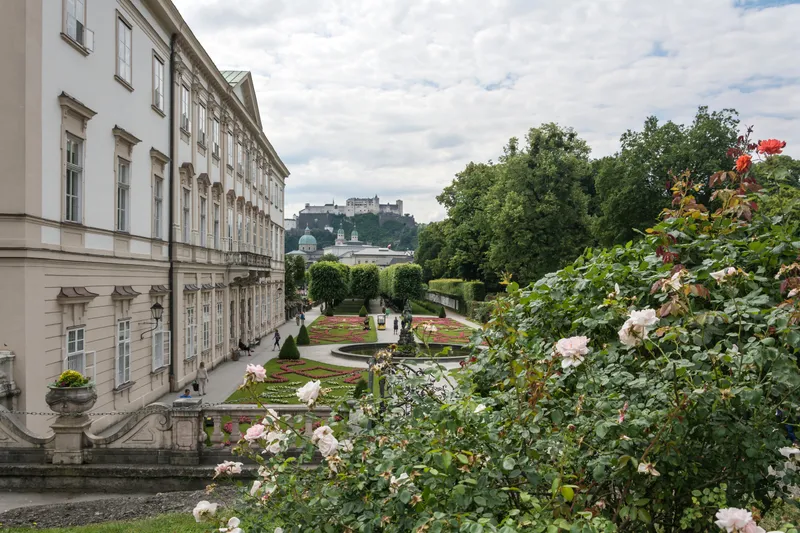
Do not come to Salzburg in early March for the flowers — Mirabell's parterre is still bare, the bedding not yet planted, and the garden shows its bones rather than its colour. But that has its own austere appeal: the clipped hedges, the gravel axis and the Pegasus Fountain still frame the fortress perfectly, and you will often have the whole composition to yourself. By the very end of the month the first bulbs begin to show, hinting at the display that will fill April and May. It is a fine time for the photograph everyone wants, minus the crowd that usually stands in it.
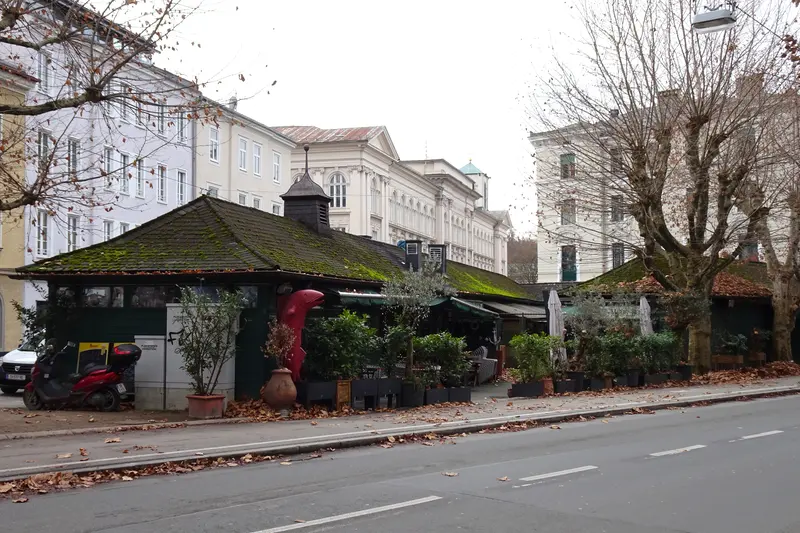
The riverside walks along the Salzach are bracing and beautiful in March light, and a good way to warm up between indoor stops. Cross the Makartsteg for the classic fortress-and-river view, then climb a little way onto the Mönchsberg or Kapuzinerberg if the paths are dry — the higher viewpoints are quiet and the air is clear. Just check footing after rain or late snow, as the wooded paths can stay slick.


Should you visit Salzburg in March?
Come in March if you want the city quiet, your budget stretched and your days built around music, museums and coffeehouses — and if you are relaxed about weather that can do anything. It is arguably the best month of the year for a culture-first couple's trip, especially in a year when the Easter Festival adds a few nights of world-class opera to the calendar. The light is lovely, the squares are calm, and Salzburg feels like a real working Austrian city rather than a stage set.
Skip it if your heart is set on garden colour, lake swimming or long warm evenings on a terrace — for those, wait for May or June. And if the Easter Festival or Easter weekend falls in late March in your year, book early and brace for a short, sharp spike in prices and demand around those dates. Otherwise, plan loosely, pack warm, and enjoy one of the most underrated windows in the Salzburg year.



Related guides

Salzburg Easter Festival guide
How to plan a trip around the Salzburg Easter Festival — what it is, where it plays, how it differs from the summer Festival, and the hotel, restaurant and timing strategy for spring culture.
Read guide
Salzburg Weather and Packing
An honest, season-by-season packing guide for Salzburg — built around cobbles, sudden Alpine rain, summer storms, concert evenings and the cold of the Christmas markets.
Read guide
Salzburg by Month
A month-by-month read on Salzburg — weather, crowds, the Festival and Advent peaks, the quiet shoulders, the lake season and what to book when, with links to each month in detail.
Read guideMore in By Month
6
Salzburg in April
Salzburg's spring quickens — Easter in most years, gardens waking, Hellbrunn reopening for the season, shoulder-season value and the standing caution of mountain weather.
Read guide
Salzburg in August
August is Salzburg at full theatrical pitch — the Salzburg Festival, the warmest weather, the heaviest crowds and the highest hotel prices, balanced by long golden evenings and prime lake-day weather in the Salzkammergut.
Read guide
Salzburg in December
December is Salzburg at its most magical — the Christkindlmarkt on the Baroque squares, Advent music in candlelit churches, the fortress under snow, Hellbrunn's market and a city turned Christmas card, balanced against crowds, cold and short days.
Read guide
Salzburg in February
February in Salzburg — a quiet Old Town, concert nights, snowy winter walks, real hotel value and a museum-and-coffeehouse trip built for the cold, short days of late winter.
Read guide
Salzburg in January
January in Salzburg — deep-winter quiet, Mozart Week, snow on the fortress, cosy coffeehouses, the year's best hotel value and what to plan around the cold and short days.
Read guide
Salzburg in July
July is high summer and Festival season — the Salzburg Festival opens late in the month, the weather is warm, the lakes beckon and hotels fill, so booking ahead is everything.
Read guide