
Schloss Leopoldskron Guide
How to see Schloss Leopoldskron — the rococo palace that stood in for the von Trapp villa's lake side — where to stand for the Sound of Music view, hotel access, photo etiquette, the lake walk and whether staying there is worth it.
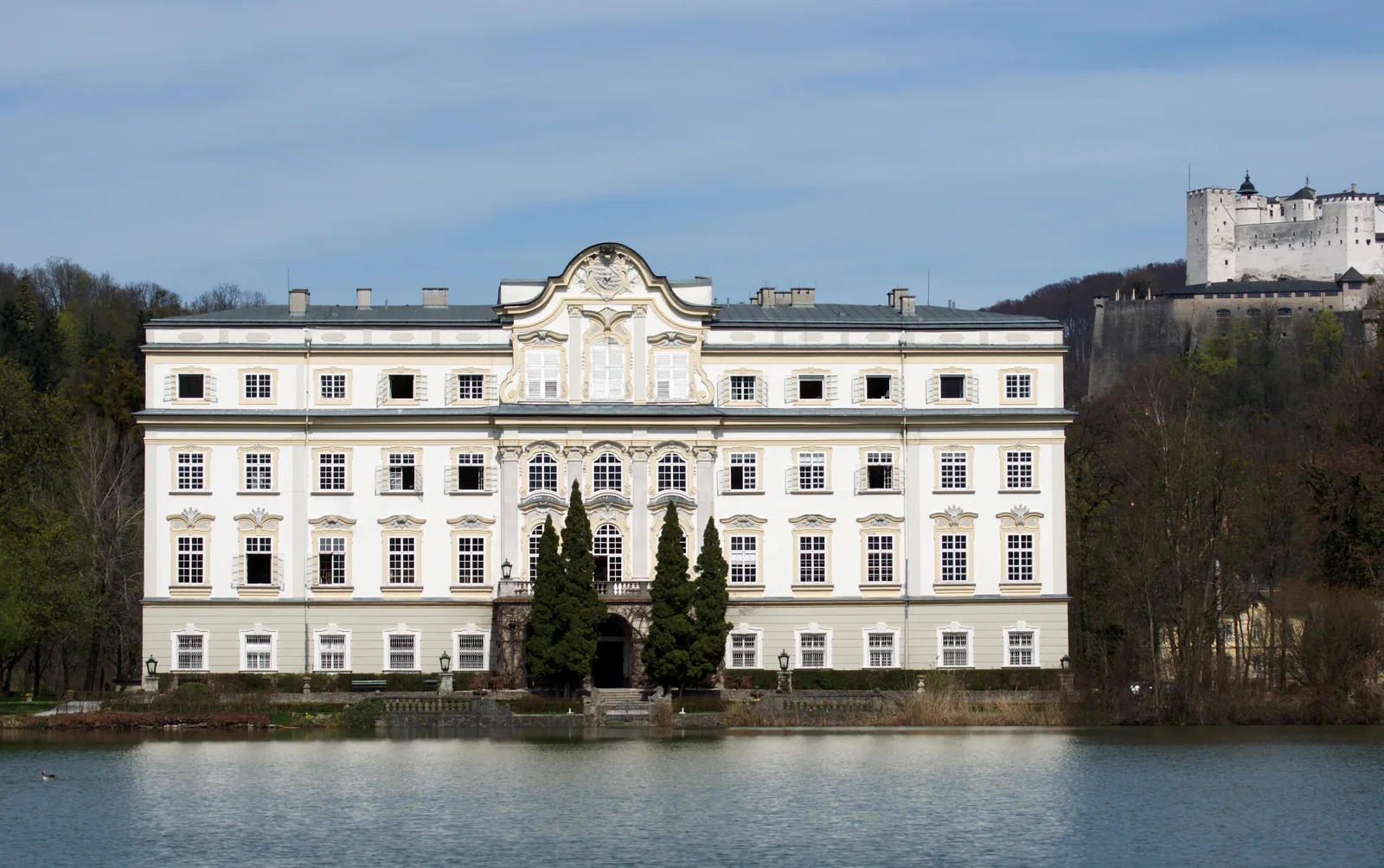
Photo: Simon1976 / Wikimedia Commons · CC BY-SA 3.0
- ✓An 18th-century rococo palace on its own lake, the Leopoldskroner Weiher, in Salzburg's quiet south-west — built from 1736 for Prince-Archbishop Leopold Anton von Firmian, whose name it carries.
- ✓Its lake side stood in for the von Trapp villa's terrace and lawn in The Sound of Music; the neighbouring Schloss Frohnburg supplied the front gate.
- ✓The palace is a private hotel and conference venue, so the famous lake view is taken from the public path across the water — not from the grounds.
- ✓It was restored in the early 20th century by theatre impresario Max Reinhardt, a co-founder of the Salzburg Festival, who made it a legendary salon.
- ✓The lake walk around the Weiher is free, flat and one of the loveliest quiet strolls in the city, with the Untersberg rising behind the palace.
- ✓Staying overnight is the only easy way inside — worth it for a special romantic trip if you weigh the out-of-centre location.
The palace on the lake
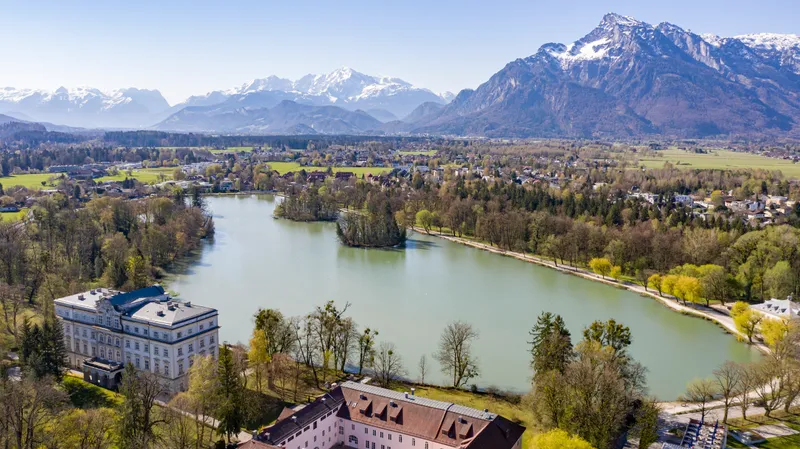
Out in the green south-western edge of Salzburg, away from the Old Town crowds, Schloss Leopoldskron sits with its back to the city and its face to a small, still lake — a creamy rococo palace doubled exactly in the water, with the great grey wall of the Untersberg rising behind. It is one of the most photographed buildings in the region, and yet many visitors never realise it is here, because it stands apart from the headline sights and asks a small effort to reach. That separation is part of its spell: arrive at the right hour and the lake is mirror-flat, the palace glows, and the whole scene feels like a private discovery.
The schloss was built from 1736 for Prince-Archbishop Leopold Anton von Firmian, whose name it still carries, as a country retreat with a lake dug for pleasure and reflection. Two centuries later the theatre visionary Max Reinhardt — co-founder of the Salzburg Festival — restored it and turned it into a glittering salon where artists and writers gathered, layering the building with the rococo interiors and theatrical atmosphere it keeps today. That double heritage, archiepiscopal and theatrical, is why Leopoldskron feels less like a museum and more like a stage set waiting for its scene.

The Sound of Music view — and where to stand for it
Leopoldskron is, for most visitors, a Sound of Music pilgrimage, and the honest story is worth knowing. The von Trapp family home you remember was assembled from two palaces: the lake terrace where the children tumble out of the boat and the lawn running down to the water were filmed here, at Leopoldskron's lake side, while the front of the house — the gate and gravel forecourt — was the neighbouring Schloss Frohnburg, now a building of the Mozarteum music university. Neither is the real von Trapp house, which survives elsewhere in the city as a hotel but was not used in the film.
Here is the practical key that saves disappointment: the palace is a private hotel and conference centre, and its grounds are not open for casual visits, so you cannot wander up to the terrace to recreate the shot. But you don't need to. The iconic lake view was always composed from across the water, and that side is public. Walk the path around the Leopoldskroner Weiher, or come at it from the bank opposite the palace, and the schloss lines up with its reflection, the lake and the mountains for exactly the view everyone wants — taken, as the filmmakers took it, from the far shore.
- Filmed here: the villa's lake terrace and lawn (the boat scene); Frohnburg next door supplied the front gate.
- Not the real home: the genuine von Trapp house is elsewhere in Salzburg and was not used in the film.
- Where to stand: the public path around the Leopoldskroner Weiher, on the side opposite the palace.
- Best light: the lake side glows in late-afternoon and golden-hour light, and is stillest early.
Photo etiquette and the lake walk
Because Leopoldskron is a working hotel where guests are paying for peace, a little courtesy keeps the welcome open for everyone. Stay on the public lakeside paths, don't climb fences or stray onto the private grounds for a closer shot, keep your voice down near the building, and resist the urge to wander up the drive. The best photograph is from across the water in any case, so good manners and the best angle happen to coincide. Drones and trespass are exactly the behaviour that gets public access quietly tightened, so tread lightly.
Beyond the film, the walk around the Leopoldskroner Weiher is a genuine pleasure in its own right — flat, free, shaded in parts and blissfully quiet compared with the Old Town. It is a favourite of locals for an evening stroll, with the palace and the Untersberg as a constant backdrop and waterbirds on the lake. Combine it with the nearby Hellbrunn gazebo to the south and you have a calm, green half-day on the city's edge that few day-trippers ever find.
- Stay on public paths; the palace grounds are private — view from across the lake.
- Keep noise down near the hotel; no drones, no climbing for a shot.
- The lake walk (Leopoldskroner Weiher) is free, flat and one of the city's quietest strolls.
- Pair it with Hellbrunn and the gazebo just to the south for a green half-day.

Staying there — is it worth it?
The one easy way to actually go inside Leopoldskron is to stay. The palace operates as a hotel (alongside its role as a conference and seminar venue), so overnight guests get what day-trippers cannot: the rococo salons, the Venetian Room, the lake terrace and the grounds, plus the rare pleasure of having that mirror-flat lake to themselves at dawn and dusk. For a milestone trip — an anniversary, a honeymoon, a serious Sound of Music devotee's splurge — it is a memorable, atmospheric base with real history in its bones.
Weigh it honestly against the trade-offs. It sits away from the Old Town, so you are choosing serenity and a lake view over walk-everywhere convenience, and you'll rely on a bus, bike or short taxi to reach the centre. Rates suit a special occasion rather than a budget city break, and availability can be shaped by the venue's events calendar. If those fit your trip, it is one of the most distinctive places to stay in the whole region; if you want to be in the thick of the squares, choose a central base and simply walk or ride out to the lake for the view.
- Staying overnight is the practical way to access the interiors, terrace and grounds.
- Best for: special occasions, romantic trips and committed Sound of Music fans.
- Trade-off: out of the centre, premium rates, and an events-driven calendar — verify availability and prices.
- Alternative: base centrally and visit the free lake view by bus, bike or taxi.


At a glance
A planning sketch. Leopoldskron is a private hotel, so there is no general admission; confirm any public-event access, the best path to the viewpoint and current hotel details before a special trip — verify locally rather than rely on fixed information.
- What it is: an 18th-century rococo palace and private hotel on the Leopoldskroner Weiher, south-west Salzburg.
- Sound of Music role: the von Trapp villa's lake side (boat scene); Frohnburg next door was the front gate.
- Public access: the lake walk and the cross-water viewpoint are free; the grounds and interiors are for guests.
- Getting there: a flat couple of kilometres from the centre — easy by bike, city bus or short taxi.
- Time needed: 30–60 minutes for the view and a lake loop; longer paired with Hellbrunn.
- Best for: Sound of Music fans, romantic strolls, and anyone wanting a quiet escape from the Old Town.
Map pins
Map data © OpenStreetMap contributors · Tiles © OpenFreeMap
Related guides
Sound of Music in Salzburg
Filming locations, tours, what is in the city, what needs a drive and how to avoid disappointment on a Sound of Music trip.
Read guide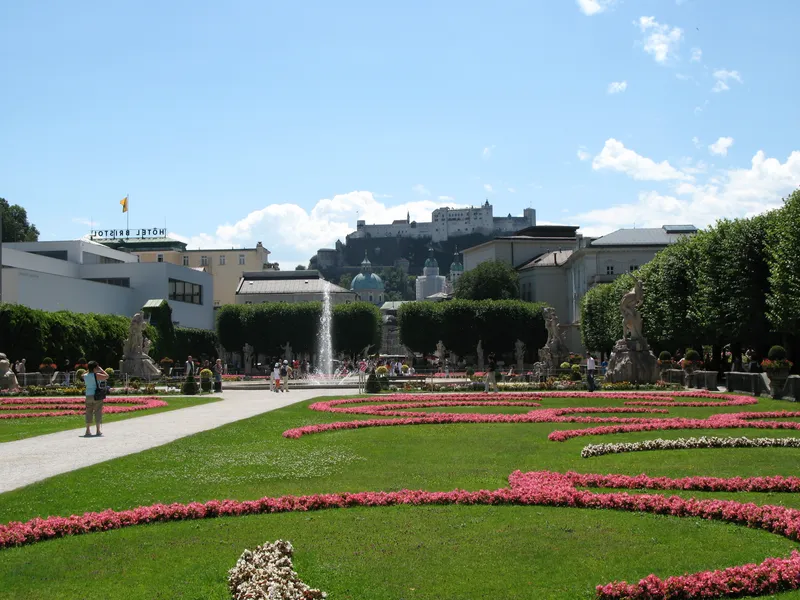
Sound of Music Filming Locations
An honest, location-by-location guide to where The Sound of Music was really filmed in and around Salzburg — Mirabell, Nonnberg, Leopoldskron, Hellbrunn, Residenzplatz and Mondsee — and which stops are walkable versus a drive.
Read guide
Hellbrunn Palace and Trick Fountains
A Baroque pleasure palace with hidden water jokes, a free park and the Sound of Music gazebo — tickets, the seasonal fountains, bus 25 and family tips.
Read guideMore in Sound of Music
3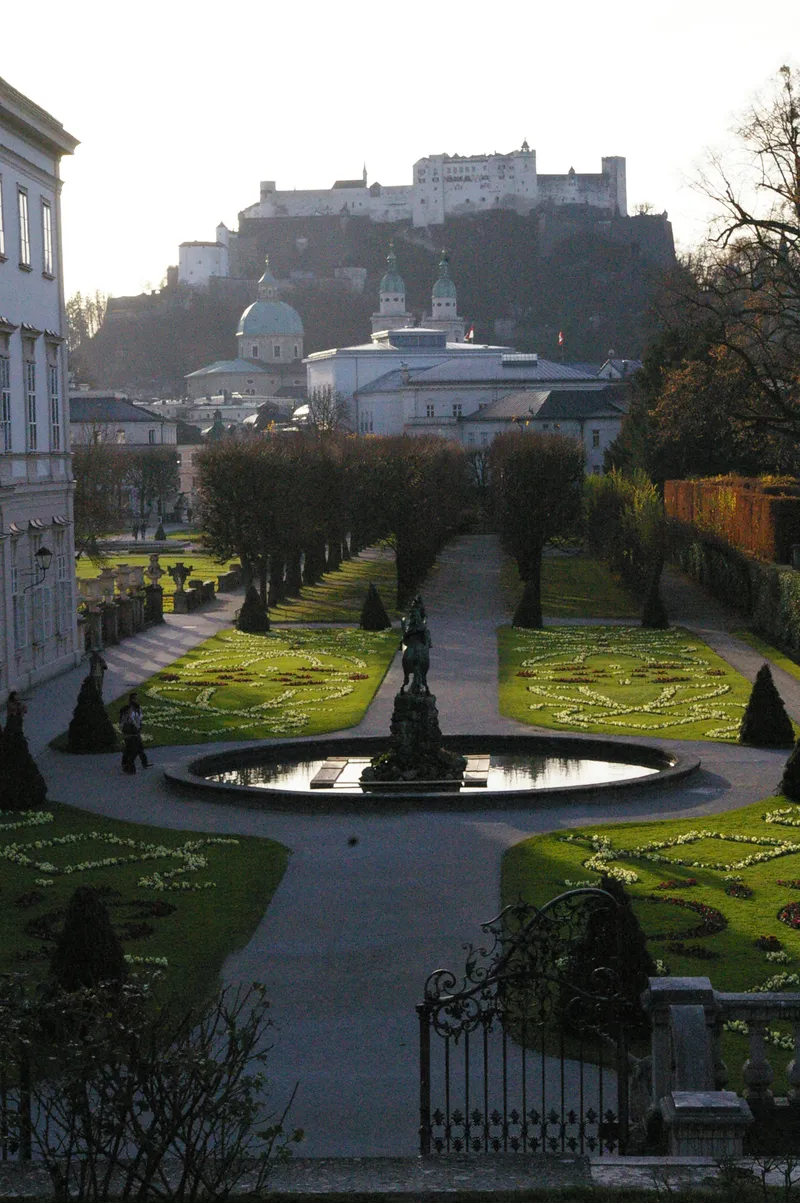
Best Sound of Music Tours
An honest comparison of the ways to see The Sound of Music in Salzburg — classic bus tours, bike tours, private cars and self-guided routes — by locations covered, time, singing level, budget and value.
Read guide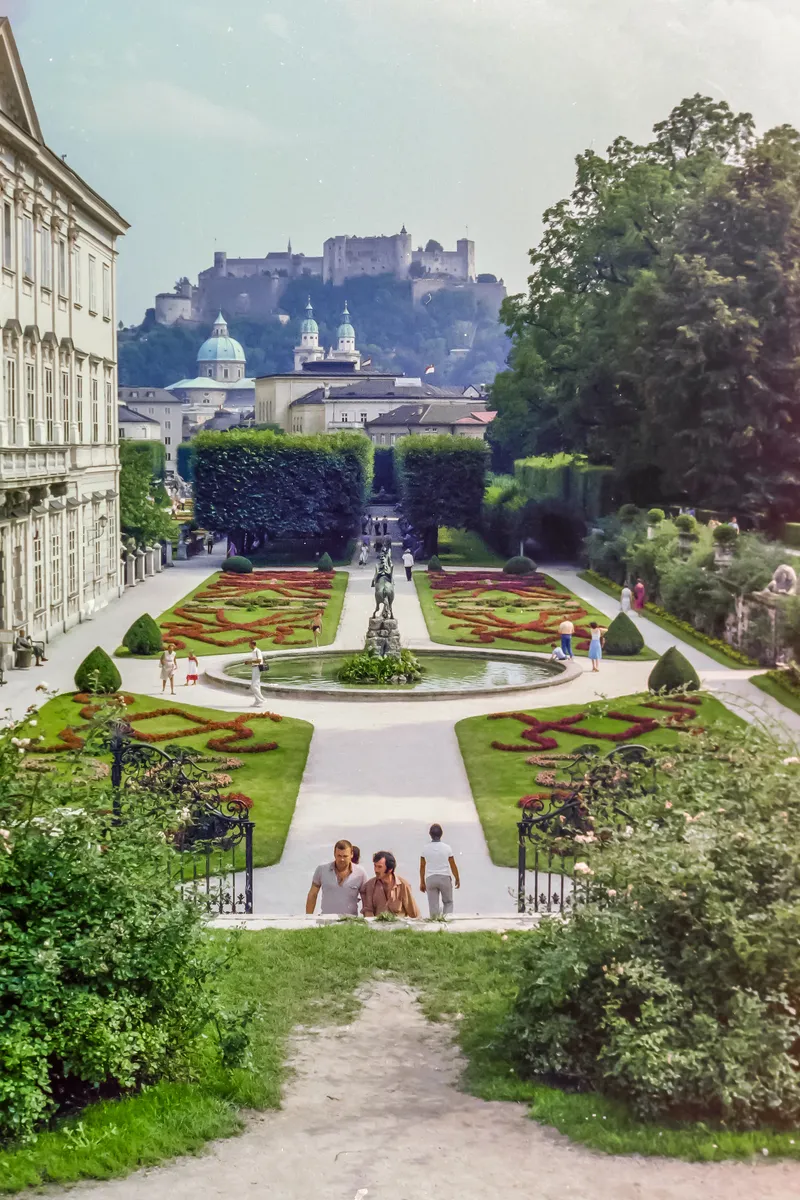
DIY Sound of Music Tour
A self-guided, step-by-step Sound of Music route through Salzburg — Mirabell, Residenzplatz, Nonnberg, the Leopoldskron lake view and the Hellbrunn gazebo, with an optional drive to Mondsee — done for free, at your own pace.
Read guide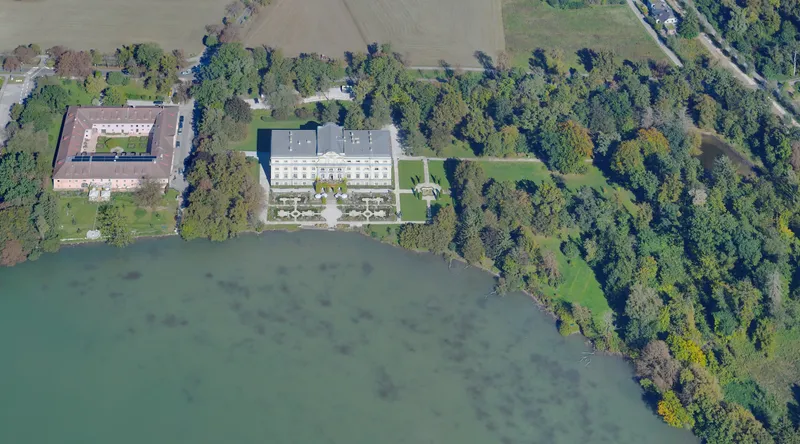
Sound of Music Bike Tours
When a Sound of Music bike tour beats the bus — the flat city-and-suburb route it covers, what it skips, and honest notes on weather, fitness, family fit and how it compares to the coach.
Read guide